

15 Jun Why Is My Low Tire Air Pressure Warning Light On?
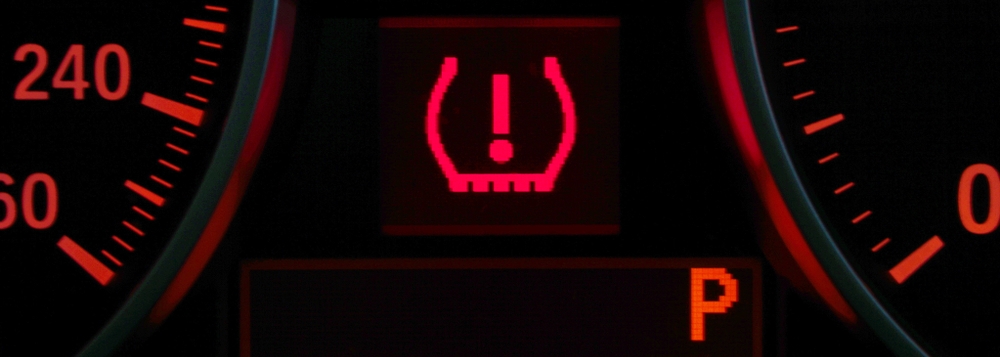
 Have you ever started your car and saw a dashboard warning light stay on, but you don’t know why? This type of thing usually causes people to feel an increased level of anxiety. Especially if you’re on a schedule and don’t have time to stop and figure it out. But then, poof, the light turns off. What is that all about, and should you be concerned? If the light displayed ‘TPMS’ or resembled a big ‘U’ with an exclamation point, I have answers for you. TPMS sensors monitor the air pressure in your tires for improved vehicle safety and illuminate when your car requires tire maintenance.
What Are TPMS Sensors?
The Tire Pressure Monitoring System (TPMS) tracks real-time data. It illuminates when your tire’s air pressure falls below the recommended levels. TPMS sensors are a crucial component in cars built after 2007, ensuring vehicle safety and enhancing tire performance. This safety system was introduced by Congress and developed by auto manufacturers after numerous accidents (resulting in fatalities) occurred in the United States during the 1990s.
Tire Air Pressure Improves Vehicle Safety
Maintaining proper tire pressure in your car is crucial for vehicle safety, tire performance, and economic factors. Correct air pressure ensures that your vehicle’s tires maintain optimal contact with the road. Adequately inflated tires provide both grip and efficiency, allowing for smoother acceleration, braking, and cornering. Under-inflated tires increase rolling resistance, which can substantially reduce a vehicle’s fuel efficiency, traction, and handling.
How Do They Work?
The various tire pressure monitoring systems (TPMS sensors) designed by auto manufacturers monitor the air pressure in a car’s tires. Sensors located inside the tire (or on other components) transmit information to electronic modules within the vehicle. These modules contain specific programming for a range of acceptable circumstances. When they detect an issue outside those acceptable circumstances, they send a warning signal.
You may recognize the low tire air pressure dashboard warning light. It looks like a U-shaped symbol with an exclamation point in the center. Older model cars may have ‘TPMS’ illuminated instead of the tire symbol. These warning lights indicate a problem with your car’s tires that requires service.
Four TPMS Types
Auto manufacturers may use different types of TPMS sensors on their vehicles, based on what works best for that model. These sensors come in various types, each with its own unique characteristics and functionalities.
Direct TPMS Sensors
Direct TPMS sensors are the most common type, utilizing separate pressure monitoring devices inside each tire to track individual tire pressure levels. These sensors transmit real-time tire pressure data of each tire individually to the vehicle’s onboard computer. The information is then displayed on the dashboard or triggers a warning light when the pressure falls outside the recommended range. Sensors may get damaged if their location is subject to harsh road conditions or debris. They also wear out over time, requiring periodic replacement.
Indirect TPMS Sensors
Some auto manufacturers prefer indirect TPMS sensors, which attach to the anti-lock brakes rather than to each tire. These sensors determine the tire rotation speed. When it is slow, the tire pressure might be low. The indirect system is very durable.
Hybrid TPMS Sensors
Hybrid TPMS systems combine features of both direct and indirect TPMS sensors. These systems often utilize a combination of physical pressure sensors and indirect monitoring techniques to provide a more comprehensive tire pressure monitoring solution.
Aftermarket Valve Stem TPMS Sensors
Valve stem TPMS is an aftermarket option that works on vehicles of any age. These sensors replace a standard valve cap. They provide a cost-effective and straightforward way to add TPMS to older model vehicles that lack a factory-installed system.
Benefits Of TPMS Sensors
TPMS sensors play a significant role in enhancing vehicle safety and operational efficiency. While their primary function is to notify drivers of under-inflated tires, they offer many more secondary benefits. Including the following:
- Extended Tire Life: even tire tread wear reduces frequent tire replacements
- Improved Vehicle Safety: reduced accidents or collisions from poor tire performance
- Lower Emissions: increased efficiency reduces fuel use, resulting in lower emissions
- Reduced Fuel Consumption: proper tire inflation minimizes rolling resistance
Low Air Pressure Warning Light
When the TPMS or low tire air pressure warning light activates on your dashboard, pull over to a safe spot. First, visually inspect all your tires for obvious signs of damage. Next, use a digital tire pressure gauge to measure the air pressure in each tire. Your tires should have air pressure readings that correspond to the number found on the driver’s door jam sticker, not the number listed on the tire. Finally, adjust the air pressure in your tires to reach the correct amount. If you are not near an air source, call AAA or another auto service for help.
If the TPMS warning remains lit after correcting the tire pressure, there may be a more serious problem that requires expert evaluation. Persistent low air pressure warning lights can suggest a malfunction within the TPMS sensors. Here are some possible reasons why the low tire pressure light is on even when the air pressure is good in each tire.
- Dead TPMS Sensor Battery
- Defective TPMS Receiver
- Faulty TPMS Sensor
- Loss of Traction
- TPMS System Needs Resetting
Tire Maintenance In Plymouth Meeting, PA
Performing routine tire maintenance is important for sustaining the accuracy of TPMS readings. If you have questions about your vehicle’s tires or TPMS sensors, ask the experienced technicians at Plymouth Auto & Tire Center. We will answer any questions you may have about maintaining vehicle safety. Regular tire rotations, wheel alignments, and balancing promote even tire tread wear and enhance the TPMS tracking. Always follow the factory-recommended maintenance intervals found in your owner’s manual.
Make An Appointment
Call Plymouth Auto & Tire at (610) 825-6558 or visit us online to make an appointment for tire maintenance. Our technicians will check your tire air pressure and reset the TPMS sensors for you.