

18 Jan Auto Drum Brakes: Common Maintenance & Repairs
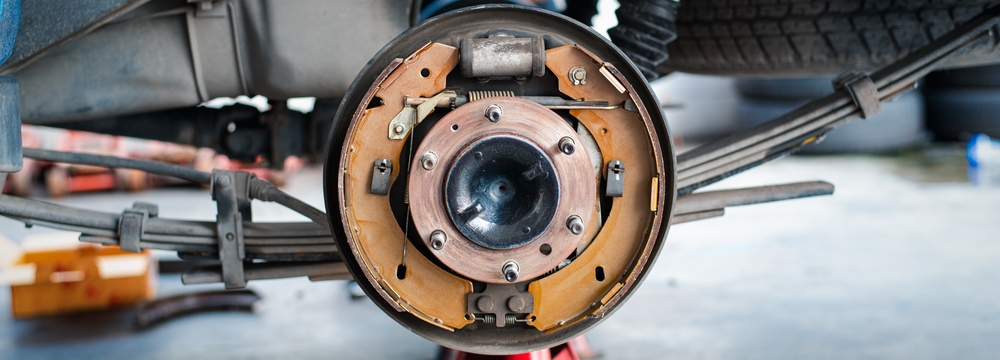
 Do you know the difference between automotive braking systems? If you own an older vehicle or classic car, you probably have drum brakes. This blog will review how drum brakes work and how to tackle maintenance and repairs. We’ll look at the components found in this type of braking system, including the brake drum, wheel cylinder, and brake shoes. If you have problems with your drum brakes, brake shoes, or brake fluid, keep reading to find out how to diagnose issues with this braking system.
What Are Drum Brakes?
The foundation of the modern braking system in automobiles started with drum brakes, designed in the early 1900s. Typically, drum brakes were the braking system used in most antique, vintage, and classic cars. Drum brakes are often found on older model vehicles and on the rear wheels of modern, basic-model automobiles because they are cost-efficient and lightweight.
How Do Drum Brakes Work?
Drum brakes are activated once the driver presses the brake pedal. This action causes the piston inside the master cylinder to pressurize the hydraulic brake fluid in the brake lines. Then the wheel cylinder is pressurized, pushing the brake shoes into the drum and generating friction. This friction reduces tire rotation, slowing the vehicle. The driver generates more friction as they increase the force on the brake pedal. The overall movement of the brake shoes is slight, and return springs pull the shoes away from the drum when the driver releases the brake pedal.
Drum Braking System Components
The components found in the drum braking system consist of the following:
- Automatic adjuster: Maintains a consistent distance between the brake shoes and the drum, even as the lining wears down.
- Brake drum: Attached to the wheel hub and rotates with the wheel. Usually made of cast iron and is resistant to high temperatures & wear. The brake shoes engage the brake drum, creating friction that slows and stops the vehicle.
- Brake fluid: This hydraulic fluid transfers energy from the depressed brake pedal to the wheel cylinder.
- Backing plate: Fastened to the axle sleeve and provides a solid base for other components in the drum brake.
- Brake shoes: Each drum brake includes two shoes. The primary shoe is towards the front of the vehicle, and the secondary shoe is towards the rear. They are secured to the backing plate but can slide when pressure from the wheel cylinder is applied. They are lined with organic or metallic compounds and wear down with use.
- Return springs: Return the brake shoes to a neutral position, away from the brake drum, when the driver releases the brake pedal.
- Wheel cylinder: There is one cylinder per wheel, each containing two pistons – one at each end of the cylinder. The wheel cylinder applies pressure to the pistons, pressing the brake shoes onto the drum, creating friction. This friction eventually slows and stops the vehicle.
Emergency Brake
All vehicles come equipped with an emergency brake (or parking brake) as a safety feature. There may be a small drum brake within the wheel hub assembly, even on vehicles with disc brakes on all four wheels. A lever fastened to a cable forces the brake shoes apart when the emergency brake is engaged. The emergency brake directly contacts the drum and avoids both the wheel cylinder and brake hydraulics. The emergency drum brake enables the automobile to slow and stop, even if the disc braking system has failed.
Diagnose Common Drum Brakes Issues
Brakes may be the most critical safety feature in your vehicle. Be aware of any changes in your vehicle’s braking behavior that indicate your drum brakes need service, repairs, or replacement.
- Noisy Brakes: Shoe lining wears down with use. Suppose you notice excessive or unusual noises when you engage the brakes. In that case, it could indicate that the lining is getting low. Your service technician can easily inspect and replace the brake shoes.
- Shaking Brake Pedal: If the brake pedal shakes or vibrates when you depress it, your brake drums may be warped. Warping can occur through overuse or overheating. Brake drums should be perfectly round to operate correctly. Your service technician can inspect and replace the brake drum to restore effective braking.
- Spongy Brake Pedal: The brake pedal should feel firm, with the braking force consistent with the pressure applied to the pedal. If the brake pedal is spongy or feels lower than usual, there may be a leak in the system or contaminated brake fluid. Air or water in the brake fluid reduces its efficiency and can lead to brake failure. Your service technician can inspect and replace the brake fluid when necessary.
- Sticking Brake: The return springs may be broken or worn. A seized automatic adjuster can also cause the brake pads to drag against the drum. Corrosion, debris, and excessive road grime may prevent any components from operating correctly. Your service technician can inspect and repair any of these issues.
Drum Brake Maintenance & Repairs
Drum brakes maintenance & repairs are relatively straightforward. The brake drum and brake shoes should be the only parts that need replacing within a drum brake system. The lining of the brake shoes eventually wears down with use. Install new shoes every 35,000 miles, depending on your vehicle’s make/model and driving habits. Brake drums can last 100,000 miles or more with proper maintenance.
When it comes time for replacements, always replace them in pairs. Fortunately, the automatic adjuster, return springs, and wheel cylinder should last the lifetime of your vehicle. Of course, road debris or car crashes may cause mechanical issues with your drum braking system. Remember to check your vehicle’s brake fluid every 24,000 to 36,000 miles and schedule a brake service if you suspect a brake fluid leak.
Schedule Drum Brake Maintenance & Repair
Correctly maintaining and repairing your drum brakes is our #1 priority at Plymouth Auto & Tire Center. Our experienced technicians use high-quality replacement parts for all drum brakes and brake shoes repairs. Your safety depends on your vehicle’s mechanical condition, so we work hard to provide quality brake service at an affordable price, backed by our automotive warranty.
Make An Appointment
For a brake repair, trust Plymouth Auto with your car, truck, or van. To learn more about our brake repair services, don’t hesitate to contact us by phone at (610) 825-6558 or visit our website to make an appointment today.