

28 Jan Car Brakes During Rainy Driving: Safety Tips
 We all know that rainy driving conditions can add to motorists’ stress. But do you know why wet roads cause issues with your brakes and how much they increase your stopping distance? Keep reading to learn how to safeguard your car brakes against the dangers of rainy driving (hydroplaning) and learn helpful tire safety tips for wet weather.
Rainy Driving: Wet Roads
To keep yourself and your passengers safe while driving in wet weather, remember to slow down, stay aware of your surroundings, and reduce distractions. Here are a few more safety tips to consider when driving on wet roads.
Stopping Distance
Did you know that your vehicle’s stopping distance is TWICE as long on wet roads compared to dry roads? First, we must see the need to slow down or stop, which can be more challenging in reduced visibility. Next, we must react to the need by engaging the brake pedal. Finally, the vehicle’s braking system must reduce its momentum until it comes to a complete stop. Slippery roads and excessive water on the roadway impede the braking system. When driving in wet conditions, increase the distance between your car and the car you are following. The bigger the gap, the more stopping distance you allow yourself.
Hydroplaning
Hydroplaning occurs when the tire’s footprint loses contact with the road due to excess water. This loss of traction can happen when the vehicle travels faster than the road conditions allow, or fallen leaves and shadows hide an unseen water hazard (like a deep or large puddle). To reduce the likelihood of hydroplaning, slow down and stay in the tire tracks of the vehicle in front of you. If rain is falling heavily enough that you can no longer see clearly, pull off the road or exit the highway until conditions improve.
Deep Water
Driving through deep water or large bodies of water on the road is never wise. There may be hidden road debris, deep potholes, or sinkholes that can cause your vehicle to get stuck. If the water is deep enough to submerge your tailpipe, your car may stall and be unable to start again. If the water is moving swiftly enough, it may lift your vehicle off the road and cause it to drift ‘downstream,’ potentially injuring you or others.
Rainy Driving: Vehicle Emergencies
Even with our best efforts, sometimes vehicle emergencies can arise. Rainy driving conditions can create very specific vehicle emergencies. Here are a few issues you may encounter in wet driving conditions.
Wet Brakes
If you have been driving in heavy rain or have gone through deep puddles, your vehicle may have wet brakes. Wet car brakes may not work effectively in emergency conditions. You can test your brakes by tapping or lightly engaging the brake pedal several times. If the brakes don’t engage, don’t panic. Keep your foot off the gas and lightly engage the brake pedal again – don’t slam it to the floor. Keep your speed low; you can even put your car into low gear. As the brake components start to dry, your vehicle may pull to one side. Continue to steer straight. Release the car brakes and re-engage until the brakes operate normally again.
Flat Tire or Tire Blowout
Wet weather combined with high speeds can cause your car to skid or hydroplane. If your driving speed was fast enough, you might find that sufficient tire damage occurred to cause a blowout or a flat tire. If this happens while you are still driving, take your foot off the gas and disengage cruise control. Steer your car in the direction you want to go, but be aware that the vehicle will pull towards the flat tire. Slow down gradually, but do not stomp on the car brakes.
Once you feel you have the car under control, brake softly and pull off the road before coming to a complete stop. Give yourself plenty of room away from the flow of traffic. Engage your hazard lights and place the reflective items from your emergency kit on the ground before changing your tire.
Rainy Driving: Vehicle Safety Concerns
Driving in the rain can bring up a few vehicle safety concerns. It is a good idea to familiarize yourself with the following components of your vehicle. Hence, you will know what to do – and what not to do – in rainy driving conditions.
Braking System
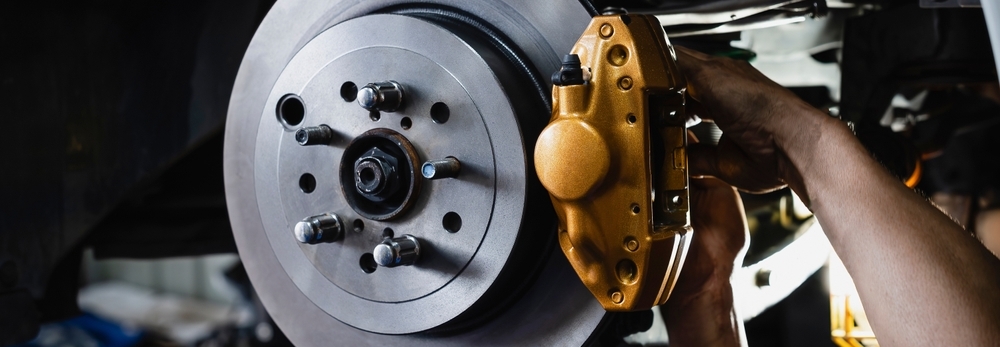
Traditional braking systems use friction to slow down the vehicle. Friction creates a lot of heat. While your car’s braking system automatically dissipates heat, drivers need to use caution when driving in cold, wet weather. Hot brake components (drums, rotors, calipers, pads) may warp or crack when suddenly submerged in cold water. Whenever possible, avoid driving through deep puddles & large pools of standing water.
Brake Fluid
Brake fluid flows in a sealed system. Check your vehicle’s brake fluid regularly and occasionally flush it as part of your factory-recommended routine maintenance. However, even with regular inspections, brake fluid may become contaminated by excessive moisture absorbed through worn hoses, gaskets, or other seals. If this happens, several braking issues can occur:
- Water lowers the boiling point of the brake fluid (which is bad), so pockets of steam accumulate in the brake lines. These air bubbles from steam can negatively affect your vehicle’s stopping ability.
- If moisture gets into the brake fluid, it can corrode the metal components of the braking system.
- Overheated brake fluid (due to water in the system) can burn. Burned brake fluid should be flushed and refilled with fresh fluid to maintain safe braking.
Tire Safety Tips
Tire tread patterns disperse water from the roadway. The gaps between the tread allow liquid to escape from under the tire’s footprint (where the tire meets the road). As the tread wears down, less water can escape, reducing traction. Additionally, low tire pressure squeezes the tread channels together, impeding water flow and reducing traction. Tire safety tips:
- Always maintain the correct tire pressure in all tires
- Inspect tire tread routinely when driving in rainy weather
- Use tires designed for the climate you drive in
Rainy Driving: Vehicle Maintenance
Plymouth Auto & Tire Center specializes in Auto Repair, Brake Repair, and Routine Maintenance in Plymouth Meeting, PA. We are a full-service station providing complete auto and light-duty truck maintenance and repair services. If you have questions about hydroplaning or would like to discuss other rainy driving concerns, please contact our service staff. You can count on us for an honest diagnosis of any brake problem and quality repairs.
Make A Car Brakes Reservation
Contact Plymouth Auto & Tire Center today at (610) 825-6558 to request a brake or tire inspection or make a repair appointment. Feel free to visit our website for more information on car brakes, tire safety tips, or to make an appointment.