

30 Dec Your Car’s Transmission: What Are 5 Common Issues
 Are you having problems with your car’s transmission? If you are experiencing rough shifting or a higher-than-normal revving engine, the answer is “yes.” There are many possible components and factors to consider. A trained technician can diagnose whether the triggered Check Engine light indicates a bad gear shift solenoid or a need for a transmission fluid flush.
Transmission Components
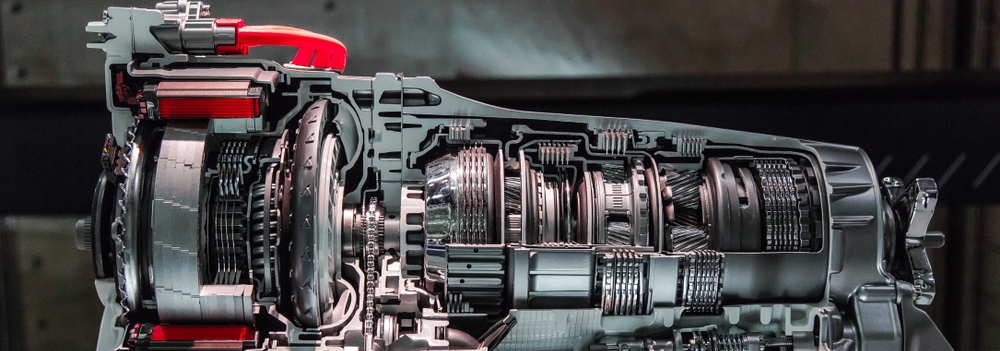
Your vehicle’s transmission is a complex system with many moving parts that must work in unison. Below are details of a few standard components within an automobile’s transmission system.
Engine Mounts
Engine mounts connect the engine to the vehicle’s frame. They are made of a solid rubberized material or hollow and filled with liquid, much like a shock absorber. Engine mounts can also be vacuum-controlled or electromagnetic components. No matter which mount your automobile utilizes, its purpose is to secure the engine in place and reduce vibrations.
Transmission Mounts
Transmission mounts are similar to engine mounts but hold the transmission in place. They affect vehicle performance, safety, and driving comfort. Transmission mounts are directly responsible for how well your automobile handles vibration while the engine is running and during gear shifts.
Gear Shift Indicator
When you put your vehicle into gear, the shift indicator shows which gear the transmission is in. The shift indicator is on the dashboard or the center console. Some cars use an indicator light to indicate the gear (P, D, 1, 2, R, etc.), while others may use an arrow or a shape over the gear symbol.
Gear Shift Solenoid
The shift solenoid alerts the transmission when to shift gears and what gear to move into. Modern vehicles with automatic transmissions use electronic gear shift solenoids. They are activated and shift gears based on the automobile’s speed.
CV Joints
Most front-wheel-drive, 4WD, and some rear-wheel-drive vehicles have CV joints (Constant Velocity Joints) on both sides of the drive shaft. Inner CV joints attach the drive shaft to the transmission, and the outer CV joints attach the drive shaft to the wheels.
5 Common Transmission Issues
Now that we know a little bit about transmission components, let’s review some common issues. Routine maintenance is necessary to prevent expensive transmission problems and repairs. It is also an essential step in keeping your vehicle operating safely. Delaying a transmission service interval can create safety concerns if left unchecked. If you suspect issues with your transmission before your next service, check them immediately.
1 – Broken Engine or Transmission Mounts
Engine and transmission mounts can fail; there are noticeable warning signs when they do. Bring your vehicle in for an inspection and service if you notice any of the following issues:
- Increased engine noise
- Noticeable engine vibration felt inside the cabin
- Growling noise when the vehicle is in gear (especially Reverse)
- Rough gear shifting
- Leaking fluid from the mounts
- Gaps or breaks in the rubber mount components
- Banging, squeaking, or rattling noise while shifting
- The engine appears lower on one side (under the hood)
2 – Check Engine Light – Bad Gear Shift Indicator
Knowing which gear your automobile is in is a safety feature that must operate correctly. If you think your vehicle’s shift indicator is malfunctioning, look for the following signs:
- Illuminated Check Engine light
- The wrong gear is indicated (e.g., Shows P when you are in D)
- The shift indicator does not move or change positions when changing gears
3 – Faulty Gear Shift Solenoid
Testing the gear shift solenoid may require draining the transmission fluid. If your vehicle seems to have issues shifting gears, schedule a transmission service and mention your concerns to the service technician. Depending on your car’s make, a faulty gear shift solenoid usually requires replacement.
4 – Damaged CV Joints
A rubber or plastic boot covers the CV joints. The joints are packed with grease to keep them properly lubricated and debris-free. If the boots or joints become damaged, the following issues can occur:
- Visible grease on the outside of the CV joint or boot
- Clicking or popping sound while turning
- Side-to-side shaking or vibrations while accelerating
- Clunking sound when shifting gears from Drive to Reverse
5 – Dirty Transmission Fluid
Transmissions run hot, and heat reduces the effectiveness of your transmission fluid. The fluid serves as a lubricant and helps prevent corrosion, allowing the transmission components to perform correctly. When excess heat breaks down the fluid, it loses these capabilities. As the clutch surface wears over time, the transmission fluid becomes compromised with metal particulates. That debris can clog the transmission fluid filter. You may notice an unpleasant burning smell and low fluid levels. Most factory-recommended transmission services include a filter replacement along with a transmission fluid flush.
Car Transmission Maintenance
Factory-recommended service intervals for automatic transmission fluid changes are typically 30,000 to 100,000 miles. Read your vehicle’s owner’s manual for the transmission maintenance requirements, or contact Plymouth Auto & Tire Center for more information.
Schedule Service in Plymouth Meeting, PA
Call us at (858) 541-1044 or visit us online to make an appointment. We will be happy to run a diagnostic inspection for your check engine light, discuss a transmission fluid flush, or gear shift repairs.